How long can party food sit out, 2 hours or 1 above 90°F?
The two-hour rule is the FDA's limit on how long food can sit out: no more than two hours at room temperature for foods that need refrigeration, or one hour when the air is above 90°F.

In this guide
The two-hour rule is the FDA's limit on how long food can sit out: no more than two hours at room temperature for foods that need refrigeration, or one hour when the air is above 90°F.
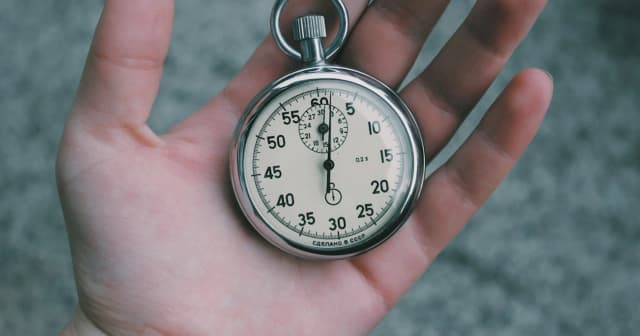
That limit comes from the FDA's consumer guidance, and it covers meat, poultry, seafood, eggs, produce, leftovers, take-out, and anything else that normally lives in the refrigerator. For a game-day spread that runs past two hours, the rule is simple for hosts to follow. Start a timer when the first platter goes out, keep cold dishes on ice, and bring out a fresh platter from the refrigerator when the timer goes off.
The two-hour rule in the FDA's words
The FDA says foods that require refrigeration should not "sit at room temperature for more than two hours," and the limit is "one hour if the air temperature is above 90°F." That sentence appears in the agency's consumer update "Are You Storing Food Safely?" (content current as of January 18, 2023), and the page still reads that way as of November 2026.
The list in that sentence is specific: meat, poultry, seafood, eggs, and produce or other foods that require refrigeration. The next sentence adds leftovers, "doggie bags," and take-out foods. So the rule also covers the delivery pizza and the wings from the place down the street.
A second FDA page, "Serving Up Safe Buffets" (dated March 5, 2024), turns the same numbers into an instruction for hosts. It tells readers to discard any perishables left out at room temperature for more than two hours, unless the food is being kept hot or cold, and it drops the limit to one hour when the location is above 90°F. FoodSafety.gov's "Food Safety by Events and Seasons" page points party hosts to FDA and CDC buffet guidance as of November 2026. That FDA guidance applies to food served at home parties.
The 90°F figure refers to the air around the food. A backyard watch party in September or a tailgate in a sunny parking lot can cross that line even when the kitchen inside is cool. A thermometer set near the table answers the question faster than a weather app.
These are consumer guidelines for home kitchens, written for hosts and not for restaurants, caterers, or food trucks.
This guide is general information, not medical advice. If you have concerns about your child’s health or safety, consult a pediatrician or another qualified professional. Follow product labels and manufacturer instructions. In an emergency in the United States, call 911. Elsewhere, use your local emergency number.

What the USDA calls the danger zone
The danger zone is the range of 40°F to 140°F, where bacteria can grow rapidly, according to a USDA Food Safety and Inspection Service public Q&A dated September 6, 2024. The USDA pages on the danger zone could not be opened when this guide was checked in November 2026, so that definition is reported from the USDA's own search listing and not quoted from the page.
The FDA says to keep the refrigerator at or below 40°F. Its buffet page says cold foods should be kept at 40°F or colder, and that plates of cold food should go on ice if they will stay out on the buffet table longer than two hours.
For the hot side, the FDA's buffet page gives an exception for food you are keeping hot. If a slow cooker or warming tray is part of the table, follow the manufacturer's instructions for that appliance.
Our guide to the first hour of a power outage with kids covers what to do with the refrigerator when the power goes out during a storm.
Which party foods the clock applies to
The clock applies to perishable foods, meaning foods that require refrigeration. The FDA's wording names meat, poultry, seafood, eggs, produce, leftovers, and take-out, and it does not claim to cover every item on the table.
| Food | Needs the two-hour clock | Why |
|---|---|---|
| Wings, sliders, meatballs | Yes | Meat and poultry are named in the FDA rule |
| Shrimp cocktail | Yes | Seafood is named |
| Deviled eggs, egg salad | Yes | Eggs are named |
| Delivery or take-out pizza | Yes | Take-out foods are named |
| Cheese board, sour cream or yogurt dips | Yes, if they require refrigeration | The rule covers foods that require refrigeration |
| Cut fruit and veggie tray | Yes | Produce is named |
| Bagged chips, pretzels, crackers | Not named in the FDA rule | Check the package label |
| Packaged cookies | Not named in the FDA rule | Check the package label |
The two-hour rule is written for foods that require refrigeration, so for chips and cookies the label on the bag is a better guide than a general rule.
The same rules apply at the kids' table. String cheese, yogurt tubes, cut fruit, and chicken nuggets are on the clock if they require refrigeration. Young kids often leave a plate, wander off, and come back to it later, so small portions served from the refrigerator work better than one big tray that sits at their level all afternoon.
How to run a game-day table on a timer
Start a timer when the first perishable platter is set out without hot or cold holding, and check the table at 60 and 120 minutes. Indoors at 90°F or below, the limit is two hours. Outdoors above 90°F, the limit is 60 minutes.
| Minutes after food goes out | Indoors (90°F or below) | Outdoors above 90°F | Host action |
|---|---|---|---|
| 0 | Clock starts | Clock starts | Set out small platters, put cold dishes on ice, start a phone timer |
| 60 | Halfway | Limit reached | Outdoors, clear the perishables and bring out fresh platters; indoors, get the next platters ready |
| 120 | Limit reached | Past the limit | Indoors, clear the perishables and bring out fresh platters if the game is still on |
Pregame, the game, and the postgame recap can easily add up to more than one two-hour window. Each fresh platter that comes out of the refrigerator starts its own timer. If you have more than one round of food, a strip of masking tape on each dish with the time it went out saves anyone from guessing at halftime.
Food that sits on ice or stays hot falls under the FDA's "keeping it hot or cold" exception. A bowl of shrimp nested in a larger bowl of ice is the simplest version, and the ice needs replacing as it melts. Dishes that sit at room temperature with no ice and no heat are the ones the timer is for.
Swap in small fresh platters
Swap the whole platter, because the FDA tells buffet hosts not to add new food to an already filled serving dish. Its "Serving Up Safe Buffets" page says to prepare a number of small platters ahead of time and replace the serving dishes with fresh ones throughout the party, and to replace nearly empty dishes with freshly filled ones.
The same page says that if you aren't sure how quickly the food will be eaten, keep buffet portions small. A game-day crowd is hard to predict. Some guests eat everything in the first quarter, and others show up at halftime.
A clean bowl from the refrigerator starts the clock again for that bowl only, and the old bowl goes to the sink.
Setting this up takes a few minutes before guests arrive. Split one large batch of buffalo chicken dip or seven-layer dip into several smaller dishes, cover the extras, and leave them in the refrigerator. Do the same with the veggie tray. When the first dish is nearly empty or the timer goes off, trade it for the next one.
What happens to the food after the party
Perishable food that sat out past the limit goes in the trash. The FDA's buffet page says to discard perishables left at room temperature for more than two hours unless they were kept hot or cold, and one hour above 90°F. How the food looks or smells is not part of that rule.
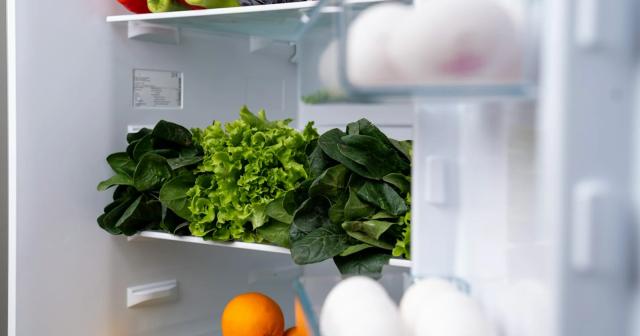
Everything else, such as the backup platters that never left the refrigerator or a second pan of wings that came out of the oven near the end, counts as leftovers. The FDA's fact sheet "Refrigerator Thermometers: Cold Facts about Food Safety" (dated March 5, 2024) says leftovers need to be refrigerated or frozen within two hours. It recommends dividing them into smaller containers so they cool faster, and it says putting hot food in the refrigerator doesn't harm the appliance.
Those leftovers go into a refrigerator that should be at or below 40°F, according to the FDA. Most refrigerator controls don't show the actual temperature, which is why our guide to refrigerator settings starts with a thermometer.
Once the containers are in, a second clock starts, and that one is measured in days. If the next gathering is a holiday meal for a crowd, our guide to the cost of Thanksgiving dinner for 10 covers the shopping side of hosting.
The night before your next game day, split the dips into small dishes and put the backup platters in the refrigerator where you can reach them without moving anything else.
Frequently asked questions
How long can food sit out at room temperature?
How long can food sit out at a buffet?
How long can you leave cooked food out before refrigerating?
Is food left out more than 2 hours OK if it looks fine?
Sources
All sources checked on November 14, 2026.
- FDA consumer update "Are You Storing Food Safely?" (U.S. Food and Drug Administration, Jan 18, 2023) https://www.fda.gov/consumers/consumer-updates/are-you-storing-food-safely
- FDA "Serving Up Safe Buffets" (U.S. Food and Drug Administration, Mar 5, 2024) https://www.fda.gov/food/buy-store-serve-safe-food/serving-safe-buffets
- FDA "Refrigerator Thermometers: Cold Facts about Food Safety" (U.S. Food and Drug Administration, Mar 5, 2024) https://www.fda.gov/food/buy-store-serve-safe-food/refrigerator-thermometers-cold-facts-about-food-safety
- FoodSafety.gov "Food Safety by Events and Seasons" (FoodSafety.gov, Nov 13, 2025) https://www.foodsafety.gov/keep-food-safe/food-safety-by-events-and-seasons
- USDA FSIS public Q&A "What is the Danger Zone?" (USDA Food Safety and Inspection Service, Sep 6, 2024; page could not be opened, search listing only) https://ask.fsis.usda.gov/article/What-is-the-Danger-Zone


